
Gloria Jean’s Coffees
January 29, 2024
Overcoming Operational Challenges to Improve Profitability Gloria Jean’s Coffees (GJC), founded by Gloria Jean Kvetko in 1979 in Chicago, USA, expanded its business in Australia with the opening of its first coffee shop in Sydney in 1996. C Challenge The client faced several challenges such as high operational costs affecting…

admin-knowhow

Gismod Shop
Strategies for Boosting Online Sales and Reaching Target Audiences through Effective Digital and Social Media Planning Our client is a leading FMCG distributor in the market, operating in both B2B and B2C channels through their e-commerce platform. C Challenge The client faced multiple challenges such as unstructured product categories on…
admin-knowhow

Gismod Commerce
Improving Supply Chain Efficiency for an FMCG Distributor Our client is a prominent FMCG distributor with a wide range of product offerings in the food and beverages, household and personal care, and liquor and spirits categories. With rapid expansion in the market, the client faced several significant challenges, including low…
admin-knowhow
Domino’s Pizza
July 6, 2017
Driving Operational Efficiency and Boosting Profitability: A Successful Consultancy Project in the Food Industry Founded in 1960, Domino’s Pizza, Inc. (trading as Domino’s) is a multinational pizza restaurant chain based in the United States. The client is a franchise holder of Domino’s Pizza in the Africa market, with an impressive…
admin-knowhow


















How We Challenge








Supply Chain Leadership Driving Industry 4.0 & Resilience During Crisis
Keywords: Supply chain leadership; Industry 4.0; Resilience; Crisis; Lean Whilst the COVID-19 pandemic spreads across the world, it is vital for organisations to ensure a reliable supply of products and services. Lockdown of cities and manufacturing plants have significantly impacted many industries’ supply chains. This challenge has contributed to the…

Supply Chain Leadership Driving Industry 4.0 & Resilience During Crisis

Five Pillars to Save Cost in Today’s Supply Chain (Part 2)
Keywords: Cost management; Supply chain; Automation; Training In the first part of this article, I spoke about the 3 pillars of setting goals (but have a plan), centralise, and collaborate to minimise cost in supply chain from different dimensions. While setting gaols with concrete plan was representing a roadmap of…
Five Pillars to Save Cost in Today’s Supply Chain (Part 2)

Bridging the Distributor into a Collaborative Demand and Supply Planning Process
If you are a newbie to managing a WordPress website, then congratulations!
Bridging the Distributor into a Collaborative Demand and Supply Planning Process
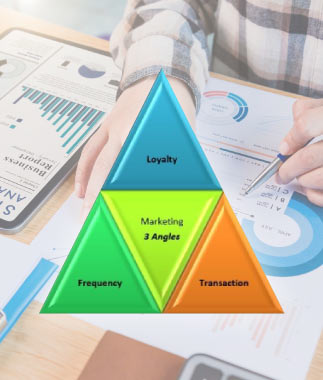
Marketing Triangles
If you are a newbie to managing a WordPress website, then congratulations!