
Brand Building
Expertise
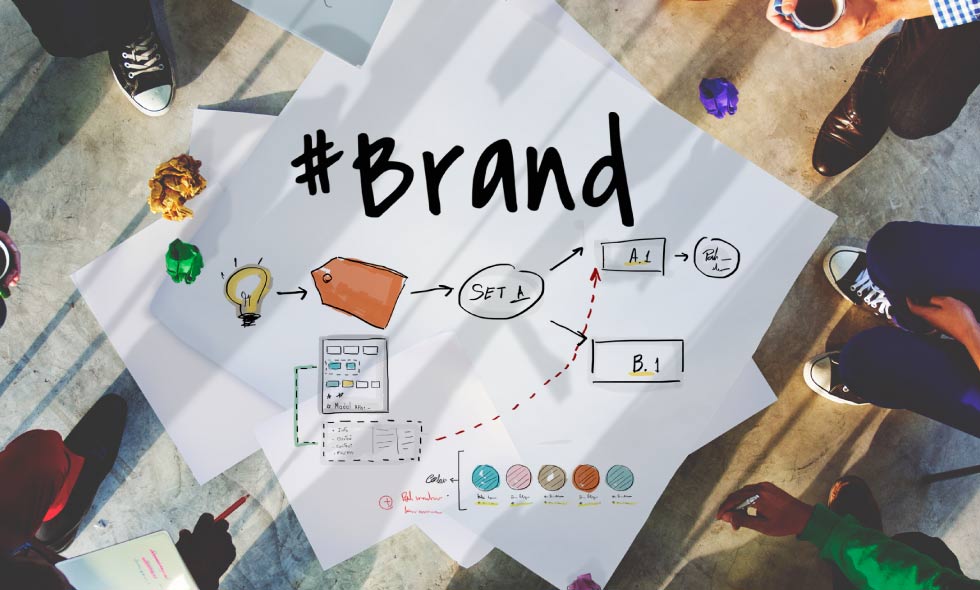

Knowhow’s brand building package outlines the process for companies to create or enhance customers’ knowledge and opinions of their relevant brands. This is achieved through a combination of branding elements such as the name, logo, colour, design, and theme. Brand building helps establish the brand identity of relevant products and services, setting them apart from competitors in the market. By utilizing effective branding strategies, companies can effectively differentiate their brand and establish a stronger presence in the minds of their target audience.
| Sections | Explanation |
| Brand Purpose | Developing the brand purpose involves identifying why the brand exists in terms of its commercial, social/community, and philosophical missions. A well-defined brand purpose serves as the guiding principle for all brand-related activities and helps communicate the brand’s unique value proposition to its target audience. By clearly articulating its commercial, social/community, and philosophical missions, the brand can establish a deeper connection with its customers, differentiate itself from its competitors, and build a strong reputation in the market. |
| Brand Identity | Developing the brand identity involves defining the core functional, rational, and emotional attributes of the brand, as well as its personality expressions, values, and core brand essence as a promise to its audiences. The brand identity is the foundation upon which all brand-related activities are built and serves as a blueprint for creating a consistent and compelling brand image. By clearly defining the functional, rational, and emotional attributes of the brand, as well as its personality expressions and values, the brand can establish a unique and memorable identity that resonates with its target audience. This, in turn, helps build brand loyalty and creates a strong and lasting relationship between the brand and its customers. |
| Brand Positioning | Developing the brand positioning involves creating a guiding market positioning statement and a set of milestones that the brand needs to achieve over a period of time in order to credibly deliver on its brand promise. The brand positioning serves as a roadmap for the brand’s marketing and communication strategies, helping it to effectively differentiate itself from its competitors and appeal to its target audience. By defining a clear and compelling brand positioning statement and setting achievable milestones, the brand can establish a strong presence in the market and build a reputation for delivering on its promises. This helps to build trust and credibility with its customers, ultimately leading to increased customer loyalty and advocacy. |
| Brand Identity | Creating or developing the brand name involves selecting a name that represents the brand and developing a brand logo that complements the name. The brand name is a critical component of the brand identity, as it is the primary identifier that customers will use to recognize and remember the brand. A well-chosen brand name should be memorable, easy to pronounce, and reflective of the brand’s core values and personality. The development of a brand logo further reinforces the brand identity, serving as a visual representation of the brand name and its associated attributes. By creating a strong and consistent brand name and logo, the brand can establish a unique and recognizable identity that resonates with its target audience and sets it apart from its competitors. |
| Brand Communication | Developing and planning the customer journey involves mapping out the core brand communications, service, and graphic touchpoints that customers will experience as they engage with the brand. This includes creating a blueprint of the brand’s linguistics, design, and media tools used to communicate with its target audience. By mapping out the typical customer journey, the brand can identify key touchpoints where it can engage and influence its audience, as well as potential areas of friction that need to be addressed. By leveraging effective communication strategies, service design, and graphic design elements, the brand can create a seamless and engaging customer experience that builds brand loyalty and advocacy. Ultimately, a well-planned and executed customer journey can drive increased customer retention, advocacy, and revenue growth. |
| Visual Branding Mood Boards | Developing or creating creative mood boards involves creating a set of visual style guides that illustrate potential routes for branding. These mood boards are a collection of carefully curated images, colours, and visual elements that help to inspire and guide the creative direction of the brand. By exploring different visual styles and themes, the brand can identify the most effective approach to communicate its messaging and values to its target audience. The creative mood boards serve as a reference point for the brand’s creative team, helping them to create cohesive and effective branding materials across all channels. By leveraging creative mood boards, the brand can establish a strong and recognizable visual identity that resonates with its target audience and sets it apart from its competitors. |
| Brand Logo | Developing or creating a brand logo from scratch involves creating a complete brand identity system, including a logotype, symbol, parameters, and applications across different mediums and languages. This includes creating logo languages in English, Arabic, and Turkish to ensure the brand is effectively communicated across different regions and cultures. The logo is a critical component of the brand identity, serving as a visual representation of the brand’s core values and personality. It should be memorable, easy to recognize, and reflective of the brand’s unique identity. By creating a complete brand identity system, the brand can ensure consistency and coherence across all channels and touchpoints, helping it to establish a strong and recognizable visual identity that resonates with its target audience. With a well-designed logo, the brand can effectively communicate its messaging and values to its audience, building brand loyalty and advocacy over time. |
| Brand Language | Creating and developing a comprehensive brand identity system involves selecting and designing various elements such as the colour palette, photography style, typography, grid and structure, patterns, illustrations, and other key graphic elements. The colour palette should reflect the brand’s personality and values, while the photography style should be consistent with the brand’s messaging and tone of voice. Typography, grid and structure, and other graphic elements should be designed to enhance brand recognition and consistency across all touchpoints. These elements come together to create a cohesive and consistent brand identity system that can be easily applied across different mediums, from digital platforms to print collateral. By developing a strong and recognizable graphic system, the brand can establish a unique and distinctive identity that resonates with its target audience and sets it apart from competitors. Ultimately, a well-designed brand identity system can help the brand to build brand awareness, loyalty, and advocacy over time. |
| Packaging Design Artwork | Developing a complete plan for all categories, ranges, and product SKUs involves defining formats and types of packaging, developing a design language, labels, and artwork. The packaging should be designed to effectively communicate the brand’s identity and values, while also meeting the practical requirements of the product. The design language, labels, and artwork should be consistent with the brand identity system, creating a cohesive and recognizable visual identity for the brand. This plan should include details such as product names, SKUs, and descriptions, as well as packaging materials, sizes, and formats. By developing a comprehensive plan, the brand can ensure consistency and coherence across all product offerings, strengthening the brand identity and building brand loyalty over time. With well-designed packaging and labelling, the brand can effectively communicate product information and benefits to consumers, driving sales and fostering brand advocacy. |
| Collaterals | Designing and creating business stationery artwork and templates for advertising involves developing a consistent visual identity across all marketing collateral. This includes designing letterheads, envelopes, business cards, and other stationery items that feature the brand’s logo and visual elements. Templates for advertising materials such as social media graphics and email marketing campaigns can also be created to ensure consistency and efficiency in marketing efforts. In addition, designing and developing marketing brochures in English, Arabic, or Turkish involves creating artwork that is print and production-ready, with print proofs to ensure accuracy and quality. These brochures should be designed to effectively communicate the brand’s messaging and value proposition to potential customers, while also maintaining consistency with the brand identity system. By creating high-quality marketing collateral, the brand can effectively reach its target audience, build brand awareness, and drive sales over time. |
| Guidelines | Developing or creating a comprehensive set of brand guidelines is essential for maintaining consistency and coherence across all touchpoints. These guidelines should include a clear explanation of the brand’s visual identity system, including the logo, colour palette, typography, and other key graphic elements. In addition, the guidelines should provide guidance on how to use the brand identity system in different contexts, such as digital and print applications. The guidelines should also outline the brand’s tone of voice and messaging, providing guidance on how to effectively communicate the brand’s values and personality to its target audience. Other elements that can be included in the brand guidelines are examples of proper and improper use of the brand identity system, as well as guidelines on creating new marketing collateral and materials. By creating a comprehensive set of brand guidelines, the brand can ensure consistency and coherence across all touchpoints, strengthening the brand identity and building brand loyalty over time. The guidelines can also be a useful resource for employees and partners, helping them to effectively communicate the brand’s messaging and values. |